Miscellanea is the newsletter for the independent thinker, at the intersection of digital content, information management and culture. In this edition, we have six books recommended for this last month of summer.
Edition no 13. Date: 13 August 2026
If you like this newsletter, please forward it to a friend. You can sign up here.
I don’t know about you, but I’ve always found the summer days perfect for catching up on reading. And with the current heat wave in my corner of Europe, enjoying a book with an Aperol and shade is the perfect combo.
In my selection, I’ve included two books about information architecture, one book about art, one novel set in Spain and a British crime fiction series.
Non-fiction books
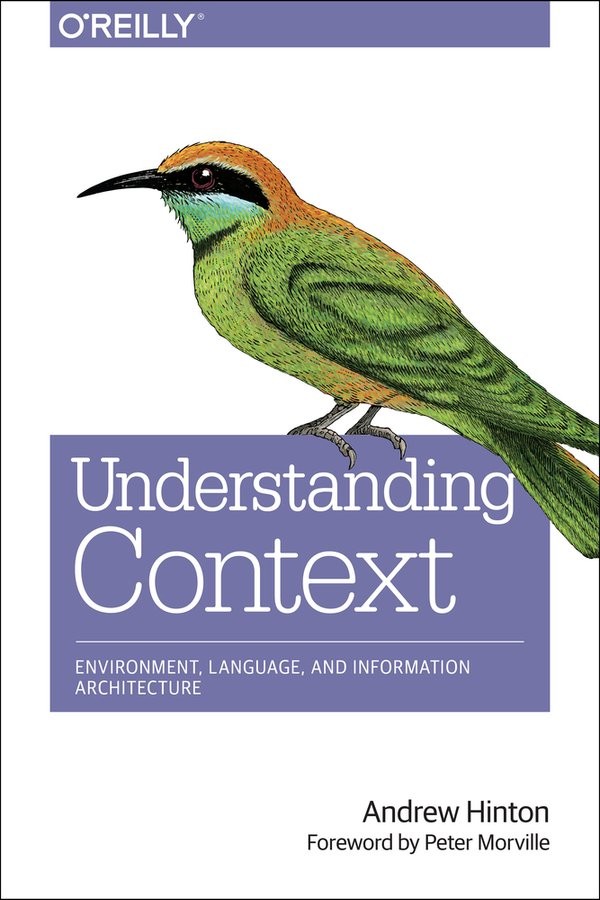
First on the list is Understanding Context by Andrew Hilton, an information architect who worked with TUG, Vanguard, and others. The book discusses how language influences software and organisations, and how that information is structured. It looks at how information functions in the physical, semantic and digital “realms” and what connects it to make sense for us, the users.
Read it if you want to understand how digital products and experiences are influenced by language, history, and personal biases. It’s an “understanding how it works” book more than a “how to make stuff” book. It can be bought in a DRM-free format on Bookshop.
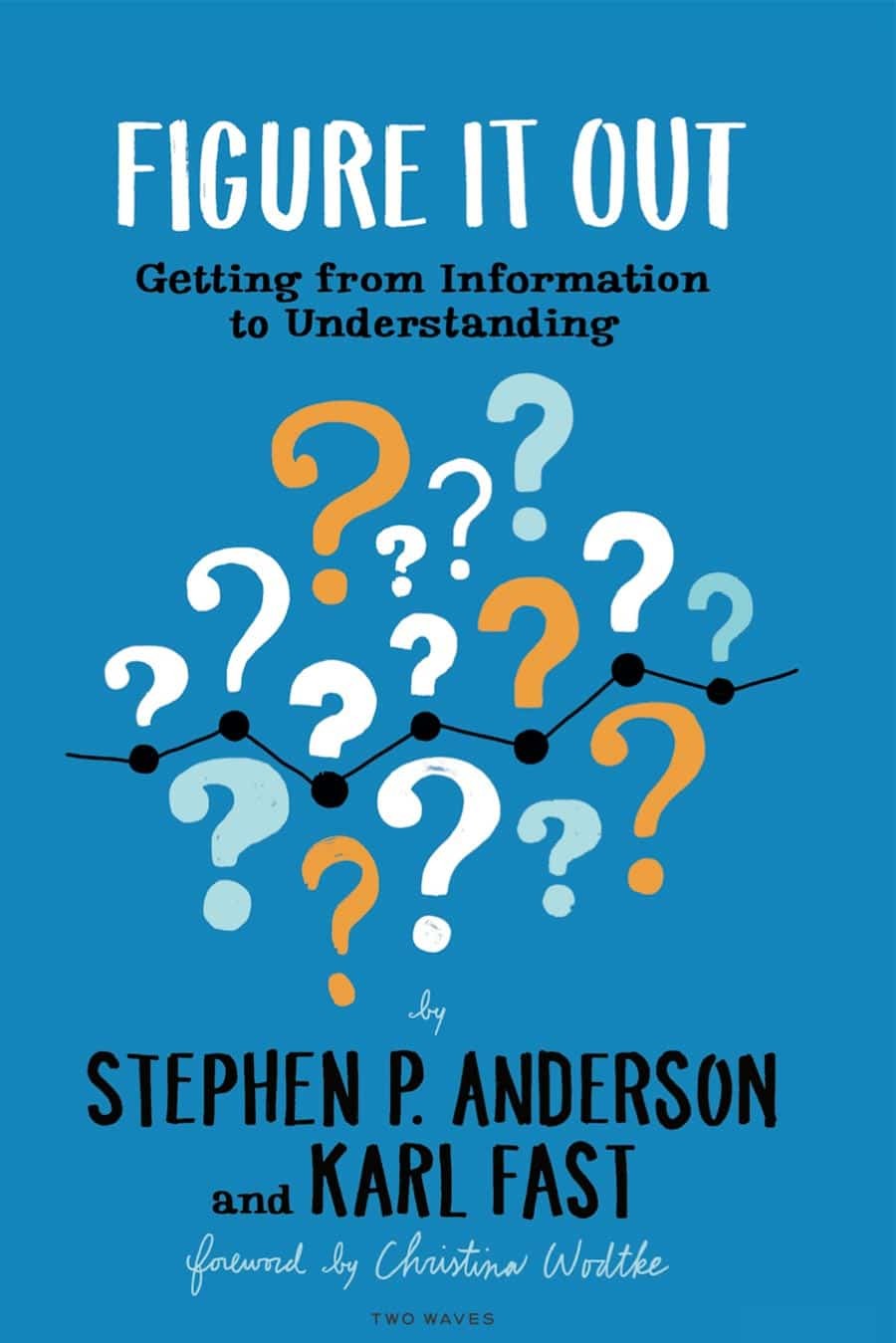
Second on the list is Figure It Out. Getting from Information to Understanding, by Stephen Anderson & Karl Fast. The idea behind it is that “Information is easy. Understanding is hard.” The book presents how to make sense of everyday information and how to transform it depending on context, be it presentations, meetings, or teams and individuals. Because is covers narratives, metaphors, visual aesthetics, and language patterns, it is more practical than the other one.
It can be bought in a DRM-free format on the Rosenfeld Media website.
Art
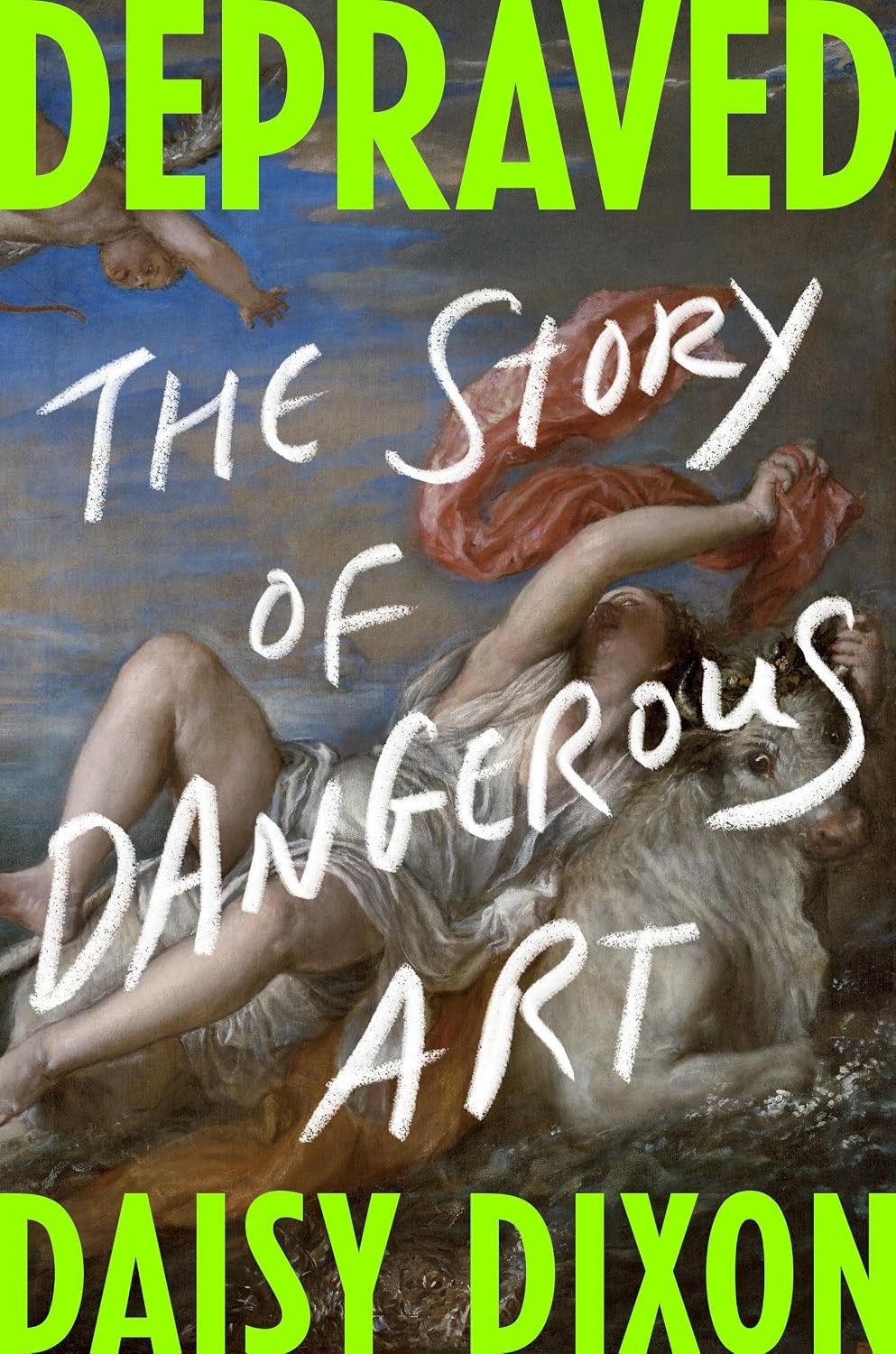
This one was on my short list since I first heard about it. I think the author, Daisy Dixon- an artist and philosopher of art- hinted at it at the beginning of this year. The book, Depraved: The Story of Dangerous Art, takes us on a journey through art objects that society considered obscene, dangerous, depraved, or horrible. A journey from early prehistoric sculptures to Renaissance paintings, video games, and music.
It’s a conversation about who decides what is “good art” and “safe art”, or “moral art”, and who decides what the qualities of tasteful art are. Of course, it’s about censorship, and we are perceiving art, and how we- as society- decide to “clean” authors’ biographies, so its art will continue to endure in a sanitised history.
Fiction
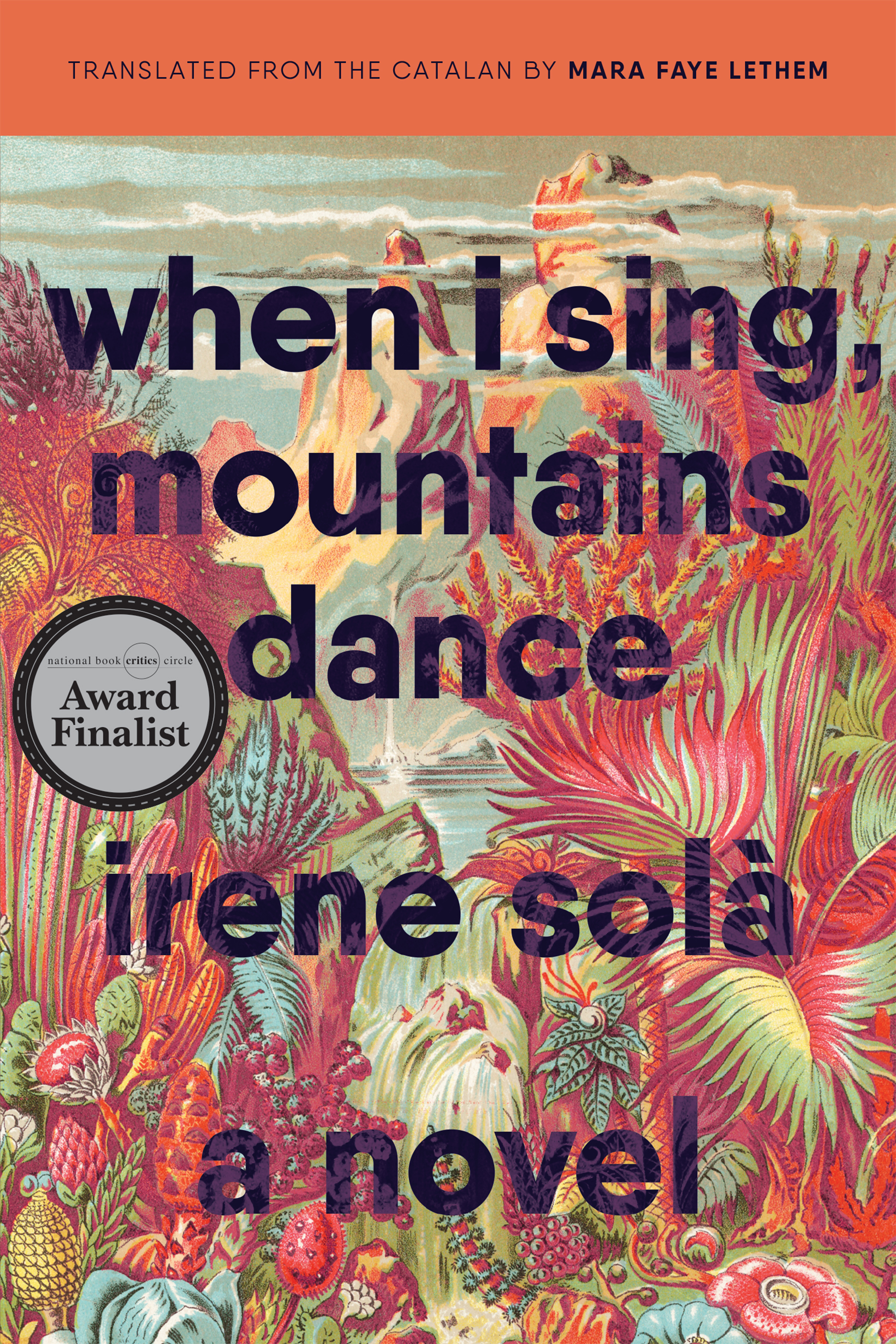
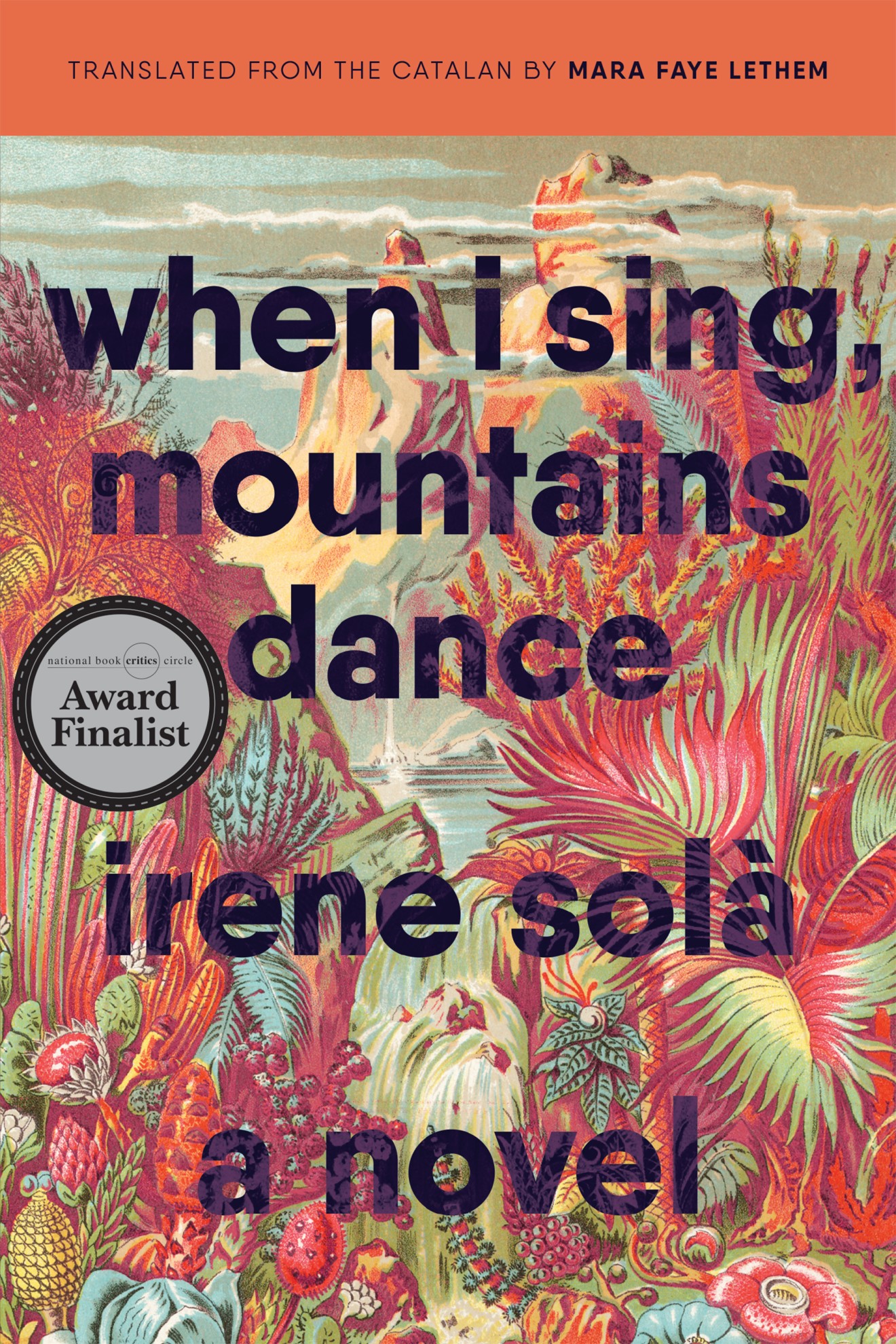
Last year I discovered the works of Irene Solà in a Romanian translation, and I was attracted to When I Sing, Mountains Dance. The story is about a family that lives under the shadow of the Pyrenees mountains, and their joys, griefs, and everyday life are influenced by natural elements and human beliefs. Ghosts, witches, popular rituals, and modern technology all mix in a precise prose, with an emotional eye full of compassion and understanding of the clash between traditional life and modern life.
Irene Solà is a Catalan writer and artist, with studies in Barcelona and Sussex. For When I Sing, Mountains Dance, she received the Premi Llibres Anagrama de Novel, Núvol Prize, and the Cálamo Prize. Find the English translation on Bookshop.
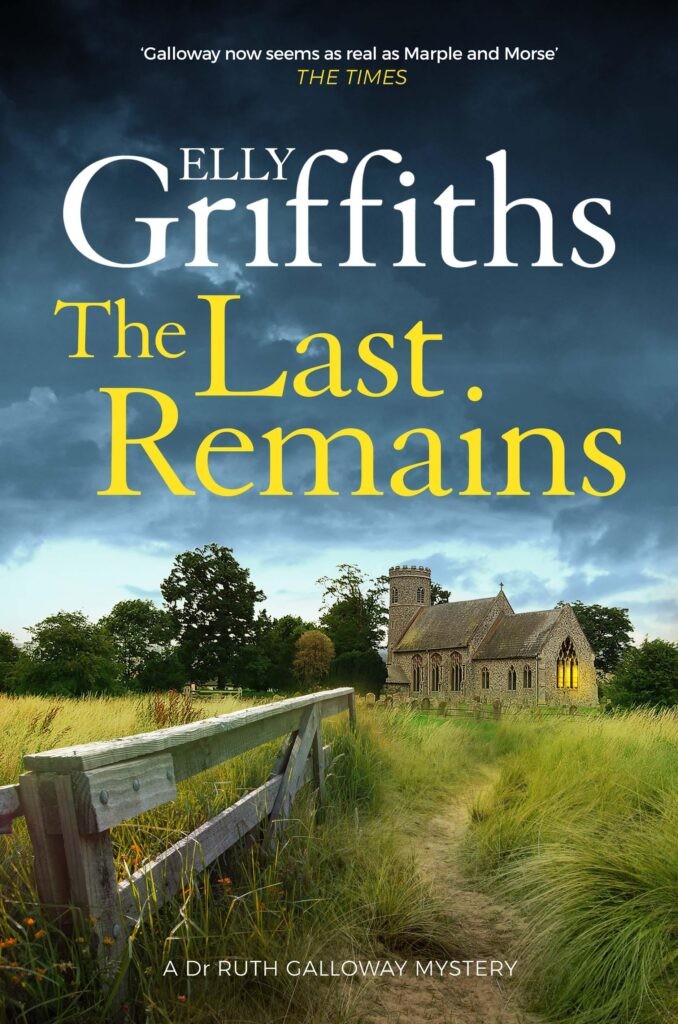
The next recommendation is a crime fiction series from the British author Elly Griffiths. When I started the first book, I didn’t think I would continue with all 15 books in the series. I was saying to myself: what can you write about murders, archaeological digs, forensic stuff in 15 books? Well, a lot and with diverse scenarios. The series follows the Forensic archaeologist Dr Ruth Galloway, living and teaching in North Norfolk, as she consults in police investigations. Throughout the series, we have her development from a consultant to a more complex character who is becoming a mother, a published author and a world expert on forensic archaeology. The rest of the characters are not left behind, as they evolve naturally as the stories unfold.
The research done for these books is complex and spans different historical periods, artefacts, and beliefs. We have Second World War stories, a Roman burial site story, medieval stories, and prehistoric burial rituals. Check the books on the official website.
Sources for book covers: 1 2 3 4 5
Main image: Rocks at the Lighthouse, Biarritz by Joaquín Sorolla y Bastida (Spanish, 1863-1923) via Art Institute of Chicago
Tagged
You might also like
-
On Liquid Content and LLMs

- Written by Daniel Prindii
- Published on
-
How to take notes while reading
- Written by Daniel Prindii
- Published on
-
Organising information with the LATCH system
- Written by Daniel Prindii
- Published on
-
How to run an independent newsletter
- Written by Daniel Prindii
- Published on
-
Can you prove you writing is your own, and it wasn’t AI-generated?
- Written by Daniel Prindii
- Published on